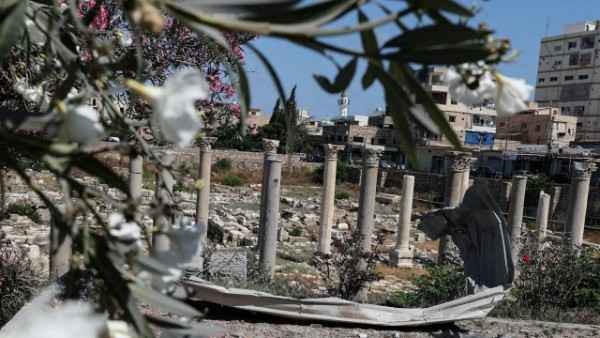
Lebanon’s rich historical identity is under threat as the recent conflict between Israel and Hezbollah has left several centuries-old heritage sites in tatters. According to Lebanese Culture Minister Ghassan Salame, iconic landmarks—some dating back to the Roman and Phoenician eras—have suffered severe damage from relentless air strikes and military ground activities.
The destruction is widespread, ranging from the UNESCO-listed city of Tyre, where ancient columns were shattered, to the medieval Beaufort Castle. In towns like Nabatieh, historic markets have been reduced to debris, while other villages have been completely bulldozed. The damage extends beyond just stone and mortar; it has wiped out places of worship that served as spiritual homes for Christians and Muslims alike for generations.
Despite a ceasefire coming into effect last week, authorities are struggling to assess the full scale of the destruction. Much of the affected area remains under a security zone controlled by Israeli troops, preventing Lebanese officials from accessing these sites to document the loss. Officials fear that the systematic destruction of these towns could permanently erase vital chapters of Lebanon’s cultural heritage.
The Israeli military maintains that it does not target civilian or cultural infrastructure, claiming that its strikes are strictly a matter of military necessity. However, local officials in Tyre are questioning these claims, pointing out that even sites granted international protection status were not spared from the bombardment. UNESCO has expressed deep alarm over the situation and is currently considering placing these historic locations on the list of endangered heritage sites to demand better protection.
Source: jpost.com