For many residents living in Abuja’s satellite towns, the daily commute has long been a frustrating struggle against deep potholes and crumbling asphalt. While some neighborhoods still face these challenges, a massive wave of road construction is changing the face of the Federal Capital Territory, bringing relief to thousands of commuters and business owners.
Over the past three years, FCT Minister Nyesom Wike has spearheaded an aggressive infrastructure push, awarding contracts for over 300 kilometres of roads. So far, more than 200 kilometres have been completed, marking a significant shift in how the capital connects its city centre to its rural outskirts.
The impact of this work is most visible in communities that were previously cut off from the city’s economic heartbeat. Farmers in areas like Kuje, Kwali, and Abaji, who once watched their crops rot due to impassable roads, now enjoy smoother access to markets. This transformation is not just about convenience; it is a major boost to the local economy and food security.
A standout achievement is the 10-lane Outer Southern Expressway, connecting Apo to Wassa. Once a symbol of abandoned projects, this highway now serves as a vital artery for the region, driving both residential and commercial growth in nearby settlements. Similarly, the new six-lane highway into Kuje has turned a notorious, dangerous route into a modern, secure corridor for travelers.
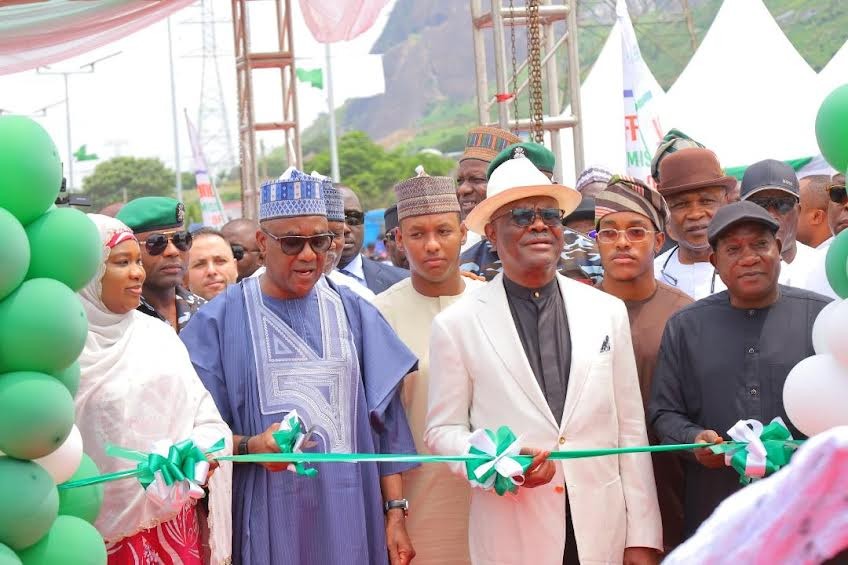
These projects, which include 31 recently commissioned works ranging from water infrastructure to major road networks, show a clear commitment to modernizing the capital. While pockets of disrepair still exist, the ongoing efforts are steadily turning the FCT into a more connected and accessible city for all its residents.
Source: thisdaylive.com