For over two decades, Google acted as the world’s digital librarian, pointing users toward websites, universities, and businesses across the globe. When the company first went public in 2004, co-founder Larry Page promised that Google would provide free, unbiased access to information. By linking out to the 'open web,' Google became a tech titan while helping millions of websites grow their audience.
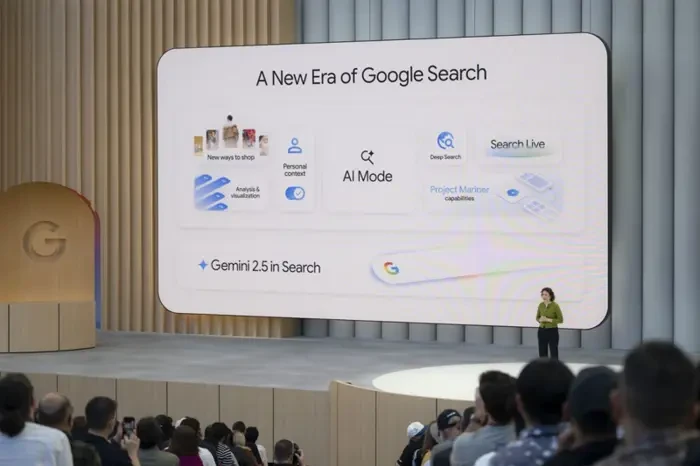
However, the rise of Artificial Intelligence has changed the game entirely. With the introduction of AI-powered search features and chatbots like Gemini, Google is keeping users within its own ecosystem. Instead of clicking on links to visit external websites, people now get their answers directly from Google’s AI. This shift is turning the search engine into a 'walled garden' that traps users rather than guiding them to the wider internet.
The consequences for website owners and publishers are already being felt. Many businesses report a sharp decline in traffic because users no longer feel the need to leave the Google platform to find what they are looking for. Industry experts warn that we have reached a 'Google Zero' moment, where the days of relying on search engines to drive traffic are quickly coming to an end.
Tim Berners-Lee, the inventor of the World Wide Web, has expressed deep concern over this trend. He fears that profit-driven tech giants are dismantling his original vision of a collaborative, borderless internet. By locking users into their own AI-controlled environments, companies like Google are arguably stifling the very open web they once helped build.
Despite these criticisms, Google maintains that it is not harming the internet. The company claims that it continues to send billions of clicks to external sites and argues that reports of declining traffic are based on inaccurate data. As the battle between AI convenience and web accessibility intensifies, the future of how we discover information online remains uncertain.
Source: thestar.com.my