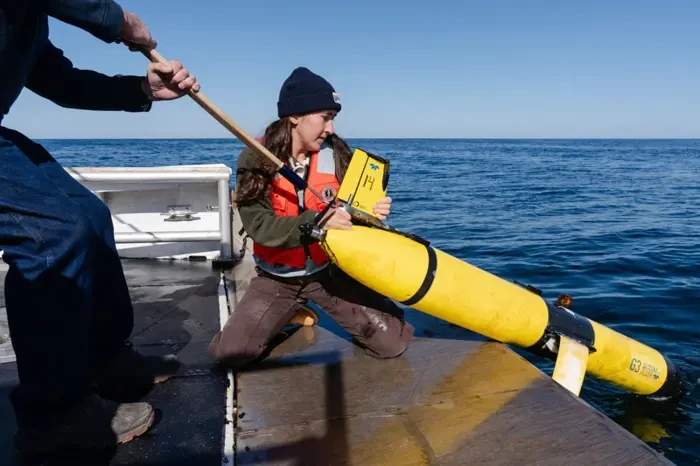
The United States government is weighing a controversial shift in how it protects the world’s rarest whales, potentially swapping decades-old speed limits for high-tech surveillance tools. As the North Atlantic right whale faces the threat of extinction, officials are exploring whether satellite trackers, thermal cameras, and underwater microphones can keep these giants safe from ship collisions.
Currently, large vessels are restricted to a speed of 10 knots in specific zones to prevent fatal strikes. However, the Trump administration is reviewing these regulations, arguing that they impose heavy economic burdens on the shipping and boating industries. By embracing modern technology, the government hopes to balance marine conservation with the needs of the commercial sector.
Despite the excitement surrounding these gadgets, experts warn that technology is not a magic bullet. Scientists studying these whales caution that the ocean is vast and implementing such a widespread monitoring network would be incredibly expensive and logistically difficult. Most researchers agree that these innovations are not yet reliable enough to replace mandatory speed restrictions entirely.
The situation for the North Atlantic right whale is dire, with only about 380 individuals left in the wild. Since 2017, the species has suffered from an alarming increase in deaths caused by vessel strikes and fishing gear entanglements. Marine biologists maintain that even a single human-caused death per year is a blow the population cannot afford to sustain.
While the boating industry has welcomed the move, claiming that 20-year-old speed rules are outdated, environmental advocates remain skeptical. They fear that prioritizing economic convenience over proven safety measures could seal the fate of a species that is already struggling to survive in a rapidly warming ocean.
Source: thestar.com.my